
Last reviewed
Here is the risk to watch: if your pet's UAE rabies vaccination is still valid when they return, MOCCAE may waive the Rabies Titre Test (RNATT). If it has lapsed, the exemption is lost and the full titre process applies.
The difference can come down to a single date.
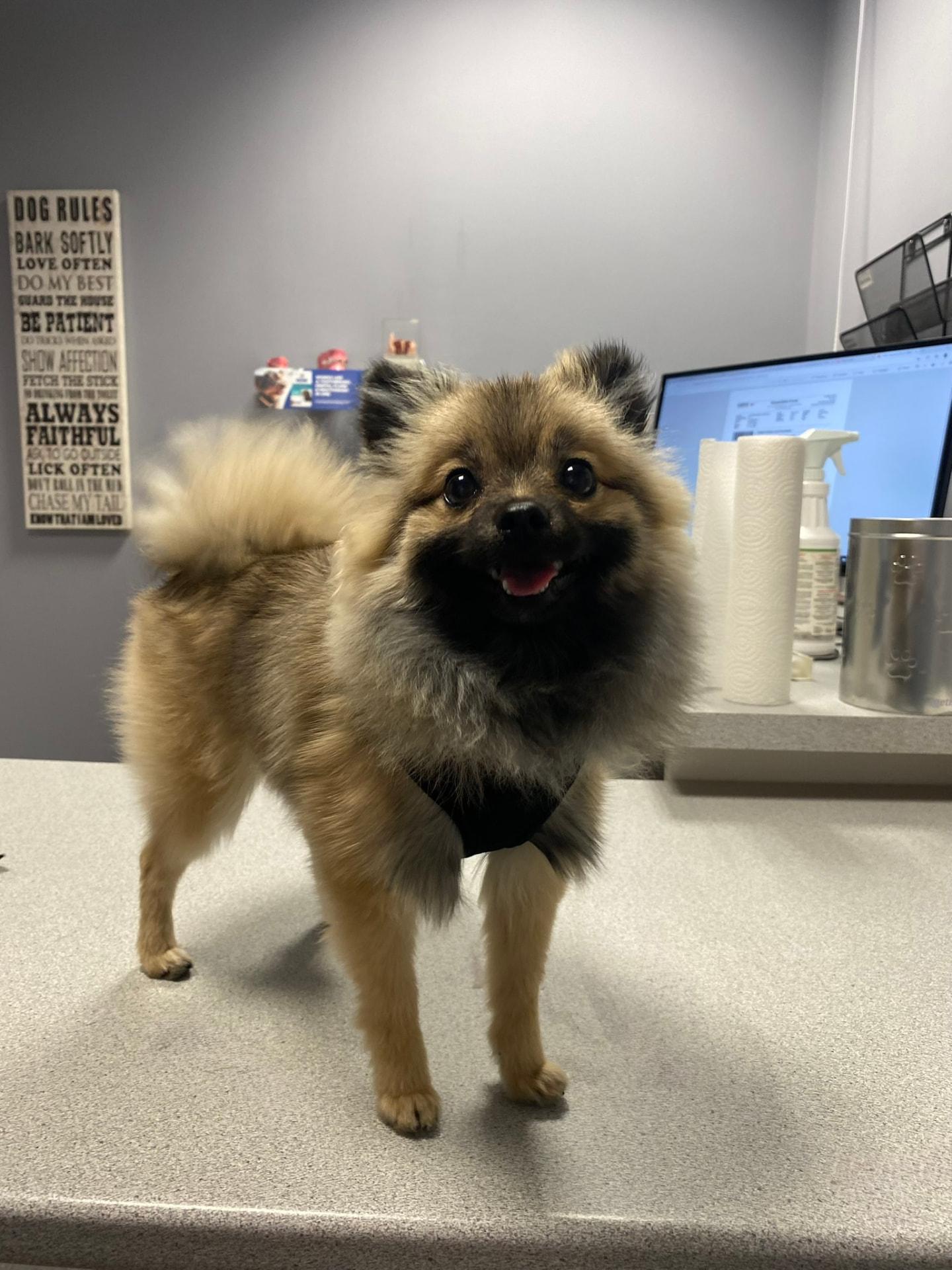
Kio left the UAE in 2026, so this is the rule I'm planning around myself.
UK to UAE dog travel planner · Free · No signup
The rule that decides it
MOCCAE's returning-resident exemption is narrow. It removes the titre test. It does not remove the rest of the UAE import requirements.
Official rule (MOCCAE)
"Pets residing in the UAE that are returning to the UAE must comply with the standard import requirements except Rabies Titre Test (RNATT) if they were vaccinated against rabies prior to exiting the UAE and the vaccination is still valid upon return to the UAE."
In practical terms, your pet must have been vaccinated against rabies in the UAE before leaving. That vaccination must still be valid on the return date. It must have been administered after the microchip. You also need the original MOCCAE veterinary health certificate issued when your pet left the UAE. That certificate proves prior UAE residency.
The exemption is binary. A valid vaccination means no RNATT is required. An expired vaccination means your pet is treated as a first-time import.
Why the expiry date matters so much
Most rabies vaccines are valid for 1 to 3 years depending on the brand. If your pet will be abroad beyond the vaccine's validity, confirm with MOCCAE before boostering abroad whether the exemption still applies.
Continuity matters. A single missed booster, even by a day, resets the rabies vaccination status to "first vaccination" for MOCCAE purposes. A vaccination given after the lapse does not restore the returning-resident exemption.
Without the exemption, pets arriving from a UAE-classified high-risk country need a valid RNATT result from an approved laboratory. The blood sample must be drawn at least 21 days after vaccination, with no wait required if it follows an on-time booster. The result must be at least 0.5 IU/ml, and the test must be done within the 12 months before your dog arrives. The full process can take months.
This applies to dogs arriving from higher-risk countries such as Canada and the United States. The UK is treated as low-risk, so dogs coming directly from the UK don't need the titre test.
Not sure whether the dates preserve your exemption? Check them with your vet before you book.
What the exemption does not remove
Returning pets still need the standard inbound requirements:
- An ISO 11784/11785-compliant microchip, implanted before the rabies vaccination.
- A rabies vaccination that is current on the date of arrival.
- Current DHPP for dogs or FVRCP for cats.
- Internal and external parasite treatment within the 14-day parasite treatment window before travel, recorded in the health certificate.
- A health certificate from the country of departure confirming fitness to fly and compliance with UAE entry conditions. In Canada, this is CFIA-endorsed. In the UK, it's the EHC 3926, signed by an Official Veterinarian.
- The original MOCCAE export health certificate issued when the pet left the UAE.
If a requirement is missing at the entry-port inspection, the pet can be quarantined or refused entry. The exemption does not protect against that.
Two MOCCAE permits, two different jobs
The Import Permit authorises your pet to enter the UAE. It is filed before travel through the MOCCAE digital services portal and is valid for 90 days from issuance — some older guidance online still states 30 days, but 90 days is current. The scanned application documents include the microchip record, rabies vaccination certificate, original MOCCAE veterinary health certificate, and your Emirates ID or passport. The original Import Permit must accompany the shipment.
The Release Permit authorises your pet's physical release after arrival. It is filed around arrival. MOCCAE then performs a visual inspection at the entry-port quarantine centre: Dubai Cargo Village at DXB, the equivalent at Abu Dhabi (AUH), or Sharjah Airport (SHJ). The Release Permit is issued electronically after the inspection.
Allow several hours between landing and release. A pet relocation company often handles this on the owner's behalf.
Moving from the UK? The free dog travel planner shows every step in order, including the import permit.
Banned breeds
The restricted breed rule applies even if the dog previously lived in the UAE. These breeds are not permitted entry:
Banned breeds
Pit Bull (Staffordshire Bull Terrier, American Pit Bull Terrier, American Staffordshire Terrier, American Bully), Mastiff Dogs (Brazilian Mastiff / Fila Brasileiro, Argentinian Mastiff / Dogo Argentino, Tibetan Mastiff, Neapolitan Mastiff, French Mastiff / Dogue de Bordeaux, Boerboel, Bullmastiff, Cane Corso / Italian Mastiff, Bully Kutta, Perro De Presa Canario / Canary Mastiff), and Tosa Inu / Japanese Tosa.
If your dog is on this list, confirm directly with MOCCAE before travel whether a service-animal exception applies to your situation.
The questions that usually decide the case
Frequently asked questions
Does my returning UAE-resident pet need an RNATT?
Can a new rabies vaccination abroad restore the exemption?
Why does the original MOCCAE certificate matter?
How long is the Import Permit valid?
How long does airport release take?
Can a banned-breed dog return if it previously lived in the UAE?
Check what applies to your dog
The rule is simple. Your case may not be.
Your dog's vaccination dates determine whether the exemption survives. The return date matters. So does the export country.
Moving from the UK? The free dog travel planner shows how your dog can fly, what they need and when, and who I'd trust to help.